Signage · Feature
The evolution of the digital screen
From 19th-century physics to the smart signage in today’s stores: what it took to build the screens we walk past every day.
From a glow in a tube to the first electronic image
Johann Hittorf discovers cathode rays in 1869. Karl Ferdinand Braun builds the cathode-ray tube in 1897.
In 1927 Philo Farnsworth transmits the first electronic image, a single line, and the screen as we know it begins.
There’s nothing on Earth that can compare with television. It is a window on the world.
Public broadcasts begin and the screen moves in
Germany starts public television broadcasts in 1935 and the UK follows in 1936.
Through the 1950s the cathode-ray television becomes the centre of the living room.
Light-emitting diodes and liquid crystals
Nick Holonyak Jr builds the first visible LED, James Fergason develops the twisted nematic LCD, and RCA shows the first LCD prototypes.
Together they lay the groundwork for displays that are flat, light and use very little power.
Our work was seen as a curiosity in the ’60s. Today it’s everywhere: phones, dashboards, menus.
Flat panels leave the lab and reach the street
LCDs arrive in consumer devices and LED matrix displays light up public spaces.
Sharp and Sony make flat panels for business and advertising, and Times Square’s digital billboards become icons.
Screens join the network and signage is born
Networked displays, content management systems and touchscreens come together as digital signage.
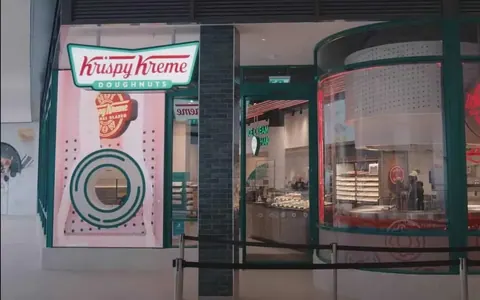
Retailers, transport hubs and fast-food chains are among the first to adopt it.
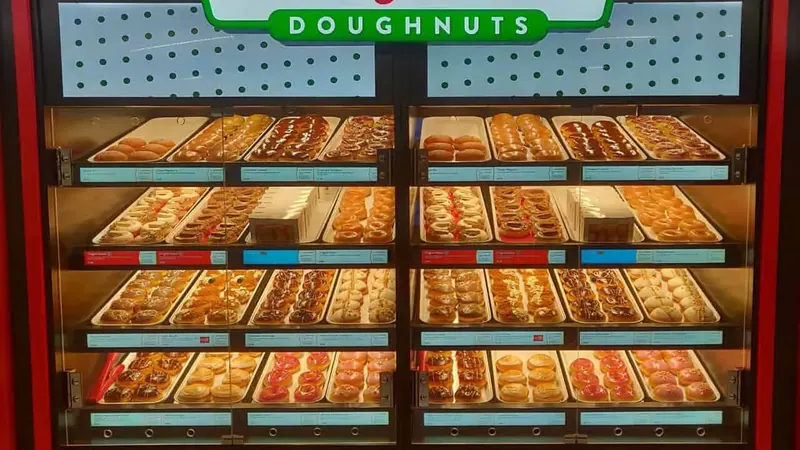
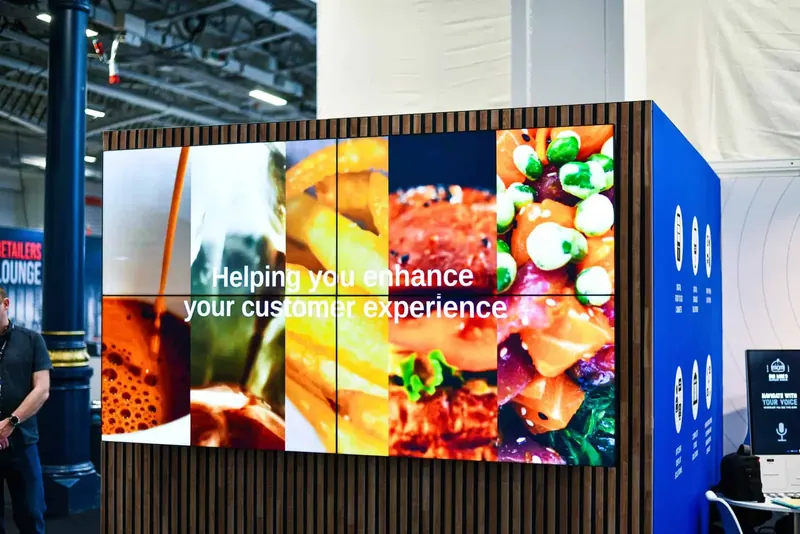
Digital signage was no longer static content on a loop. It became a live platform for engagement.
Screens start to respond to the room
Cloud software, analytics and sensors arrive.
Content can now change with the audience, the time of day and even the stock on the shelf.
Digital signage is the only advertising medium that can change based on what’s in front of it.
Smart signage from Theravada
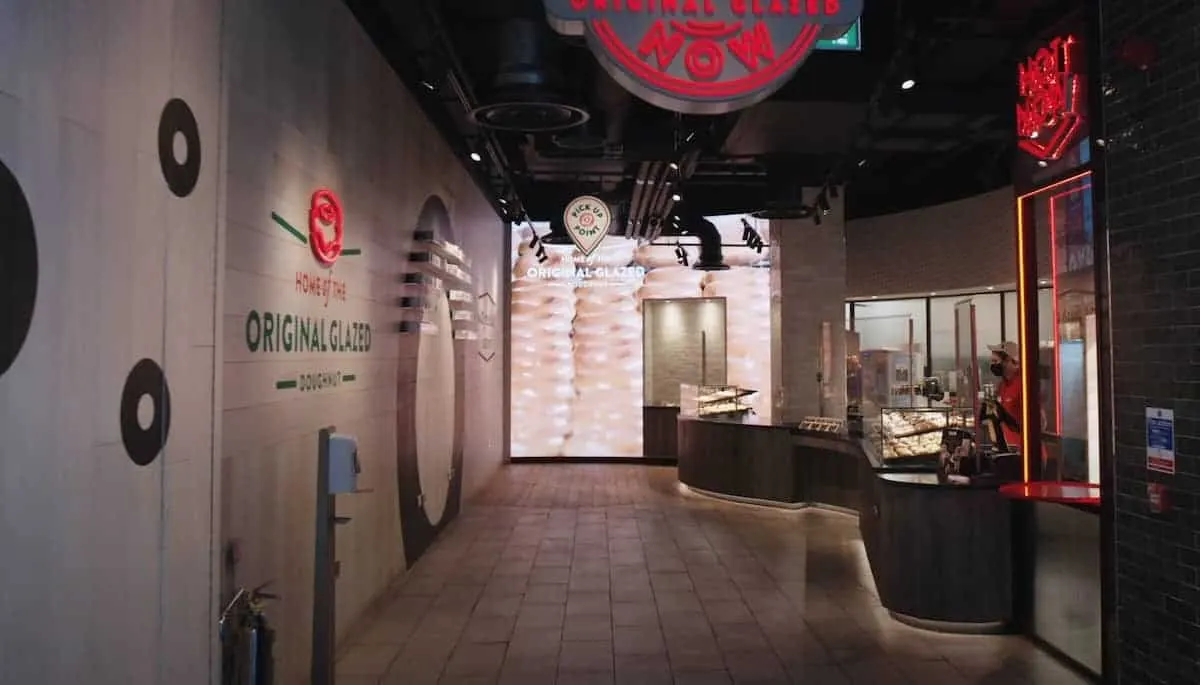
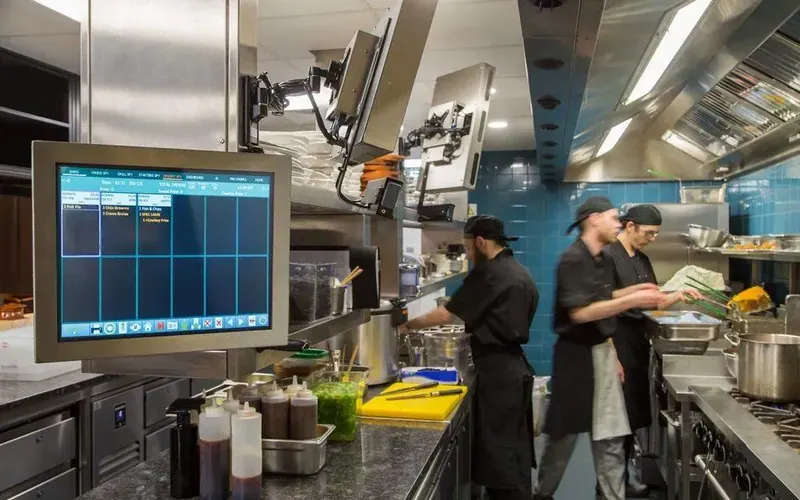
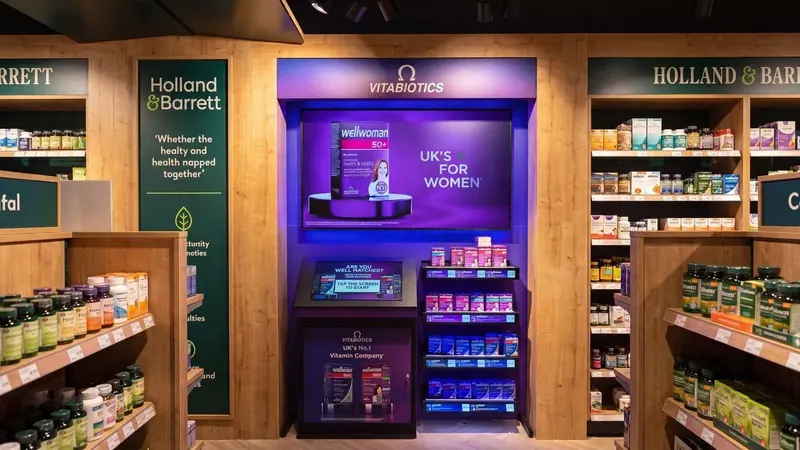
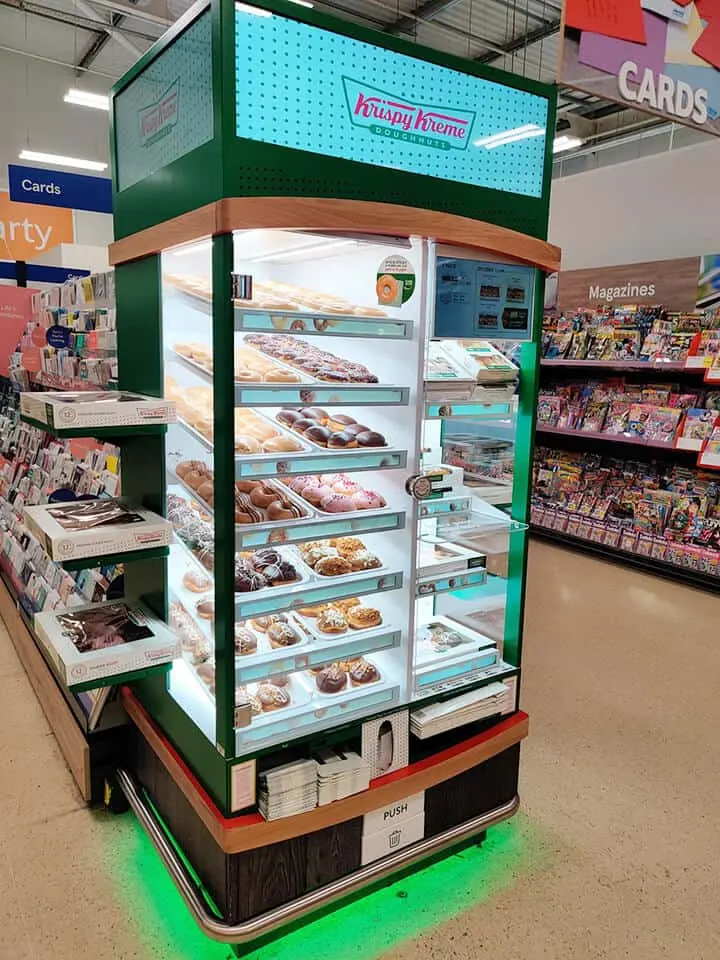
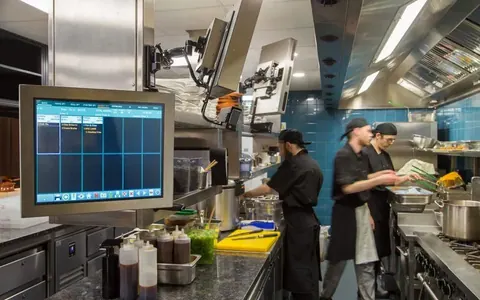
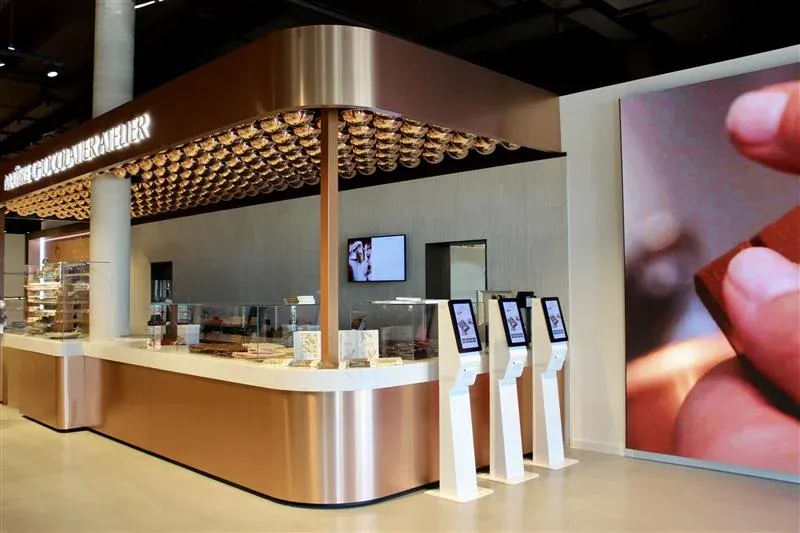
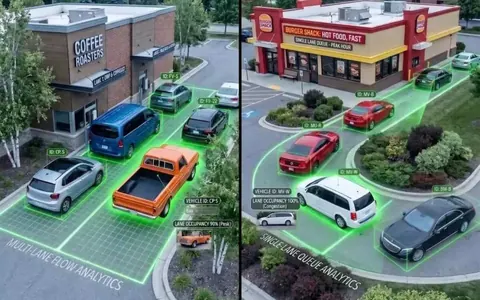
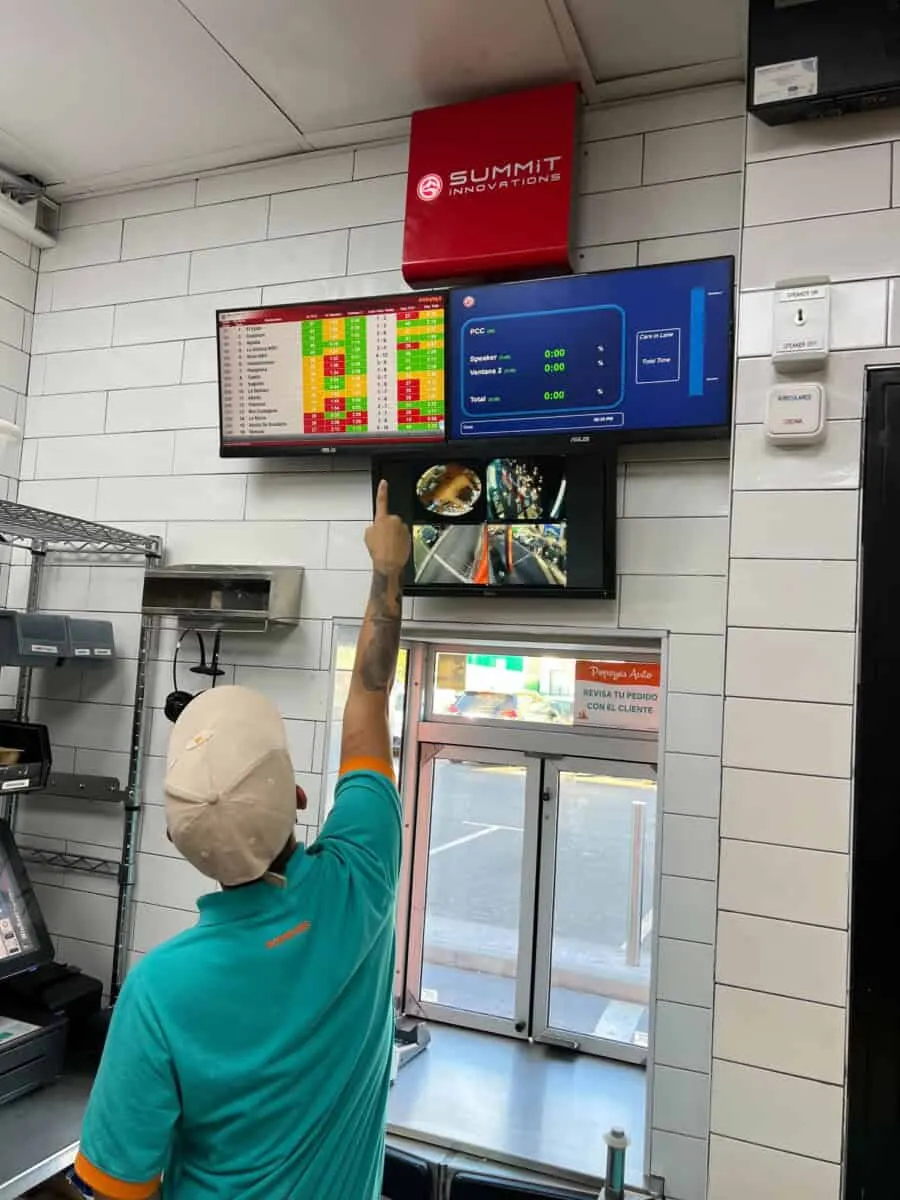
The newest signage goes further, with audience-aware content, sensor triggers, weather and stock data, and predictive scheduling. Theravada brings it together: one cloud CMS for in-store and drive-thru menus, deployment on any hardware, video walls and digital shelf edges.
The same screen can sell breakfast at eight, lunch at noon and react when someone walks up to it.
From LED film stages to screens you wear
Series such as The Mandalorian now shoot inside LED volume stages, and science fiction keeps imagining what screens might become.
Smart glasses, augmented-reality contact lenses and brain-computer interfaces are already being explored.
Want this working on your estate?
Talk to the team that surveys, installs and supports it, across the UK and Europe.